
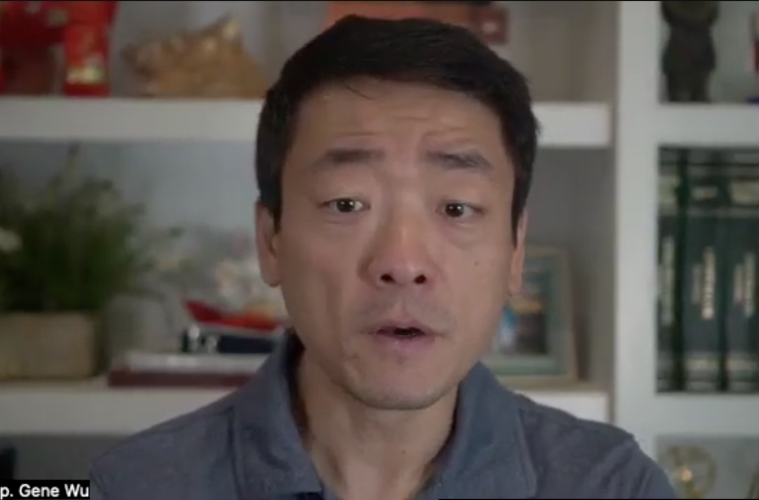
Rep. Gene Wu Says Education, Mental Health and Juvenile Justice Are More Connected Than Many People Realize
When conversations turn to juvenile justice, most people picture courtrooms, detention facilities and judges.
Texas State Rep. Gene Wu sees the story beginning much earlier.
During a recent Houston Community Media discussion, held on June 18, on the challenges facing children and teenagers, Wu argued that the future of juvenile justice is shaped long before a young person commits an offense. In his view, decisions about education, mental health services, school discipline and community investment all influence whether children succeed—or eventually enter the justice system.
Rather than treating juvenile justice as a stand-alone issue, Wu described it as the outcome of broader public policy decisions affecting schools, healthcare and families.
Looking Upstream
Wu said his years as a prosecutor in Harris County changed the way he viewed children entering the justice system.
“I saw prosecutors and defense attorneys and judges working together to fix what is wrong with the child, and not just say, ‘How much can we punish this child for acting the way that they did?'” Wu said.
That experience, he said, reinforced what he believes should remain the guiding principle of juvenile justice in Texas.
“The word is rehabilitation,” Wu said. “Every single thing that we do in a state by law should and must go towards rehabilitation.”
His comments reflected a broader argument that government should invest in addressing the causes of youth struggles rather than focusing exclusively on punishment after problems emerge.
More Than a School Issue
Throughout the discussion, Wu repeatedly connected education policy to juvenile justice.
He argued that schools increasingly serve students facing poverty, behavioral challenges and mental health needs while also coping with financial pressures and larger class sizes. In his view, when those systems become strained, students who need additional support are more likely to encounter disciplinary responses that can place them on a path toward the justice system.
He also questioned whether schools have become too dependent on law enforcement to address routine disciplinary issues.
“When schools find ways to get rid of them, one of the easiest ways is to have them arrested,” Wu said.
Whether readers agree with that assessment or not, the discussion highlighted a broader policy question facing educators and lawmakers: What combination of academic support, counseling, school discipline and community services best prepares young people for success?
Beyond the Legislature
Wu acknowledged that legislation alone cannot solve the challenges facing Texas youth.
Instead, he called for greater involvement from parents, educators, community organizations and local journalists, arguing that lasting change depends on sustained public engagement.
“The public has to make its voice known,” Wu said, encouraging residents to communicate directly with elected officials about issues affecting children and schools.
When asked what advice he would offer young people hoping to make a difference, Wu summarized his approach in three words:
“Educate. Organize. Activate.”
The Bigger Question
The Houston Community Media discussion was framed around juvenile justice, but the conversation ultimately reached much further.
It raised questions about how Texas measures success for its children, what resources communities provide before young people reach a crisis, and how lawmakers balance accountability with prevention.
Those questions will continue to shape legislative debates long after any single session ends.
Whether through education funding, mental health services, juvenile justice reforms or community partnerships, the broader challenge remains the same: helping children reach adulthood with the support they need to thrive. Wu’s remarks offered one perspective on how Texas might pursue that goal, while inviting continued public discussion about the state’s priorities for its youngest residents.
