
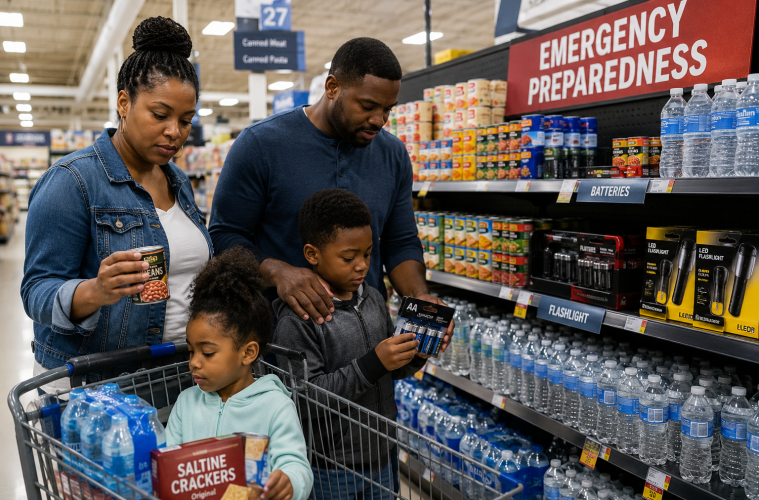
HOUSTON — In many households, there’s one person everyone depends on when life gets hectic.
The one who remembers the medications.
Keeps bottled water stocked.
Knows where the important documents are.
Checks on aging parents.
Makes sure the children are safe.
Emergency management leaders say disaster preparedness starts with those everyday habits—and the best time to build them is long before a storm is in the forecast.
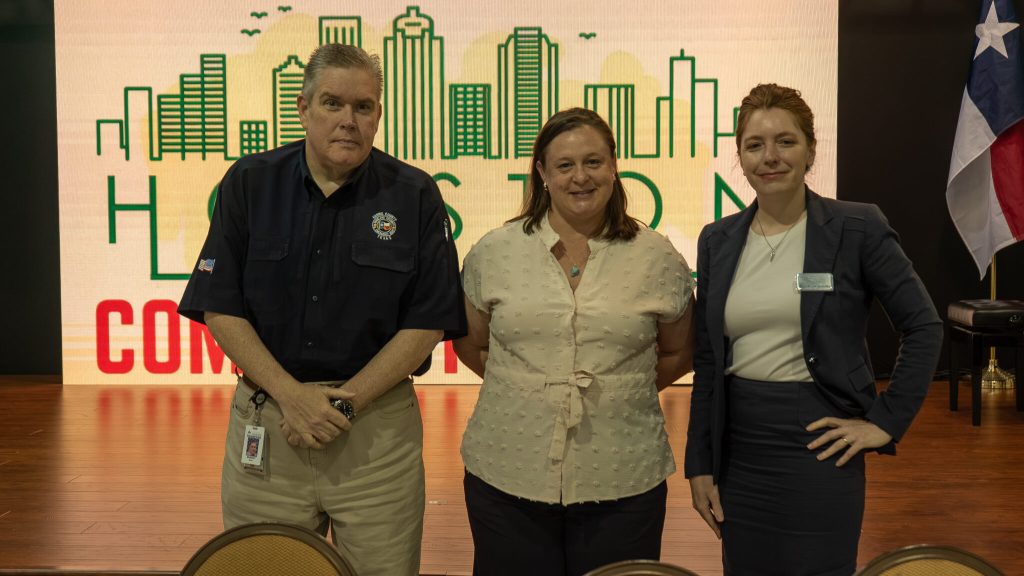
That message was at the heart of Houston Community Media’s recent “Hope for the Best, Plan for the Worst — Disaster Preparedness” briefing, where local emergency managers and nonprofit leaders encouraged families to think about preparedness as a year-round commitment rather than a last-minute scramble.
Bryan Murray, deputy director and public information officer for the Harris County Office of Homeland Security & Emergency Management, said preparedness isn’t reserved for hurricane season.
“Stop thinking of preparedness as something that we do for six months of the year,” Murray said. “If you’re going to live in Harris County, Texas, or the Gulf Coast, this is something we do 12 months a year. It’s a continuous process.”
He acknowledged that many families simply can’t afford to purchase an entire emergency kit at once. Instead, Murray encouraged residents to build supplies gradually.
“If I gave you our preparedness list and said go buy all this, it’s probably about $500,” he said. “Let’s be smart. Buy an extra can of green beans and an extra can of tuna every time you go to the grocery store.” Murray said small purchases made consistently over time can make preparedness much more manageable for families.
But food and water are only part of the equation.
Brooke Campbell, director of community outreach and disaster recovery at United Way of Greater Houston and co-director of the Greater Houston Disaster Alliance, encouraged families to prepare by knowing where help is available before it’s ever needed. She highlighted ReadyHarris emergency alerts, United Way’s 211 helpline, multilingual preparedness guides and community workshops designed to help residents develop emergency plans and connect with local resources.
Campbell also emphasized the importance of trusted community voices in helping families receive accurate information before and during emergencies.
“We fully recognize and understand that it’s you all who have the trust of your audiences,” Campbell said. “There’s no reason that we can’t come together and ensure that the right messages are getting into the hands of the audiences you’re trying to reach.”
Kara Cooke-Schultz, director of disaster recovery and community resilience at the Greater Houston Community Foundation and co-director of the Greater Houston Disaster Alliance, reminded attendees that preparedness also means caring for those who may need extra help during a crisis. She encouraged families to check on older relatives, neighbors and people with access and functional needs, and to register eligible loved ones with the State of Texas Emergency Assistance Registry before an emergency occurs. Residents who need assistance with the registration process can call 211 for help.
The discussion offered a reminder that preparing for emergencies isn’t about fear—it’s about peace of mind. Whether it’s adding one extra item to the grocery cart, creating a family emergency plan, signing up for trusted alerts or checking on a neighbor, small steps taken throughout the year can make a significant difference when severe weather threatens Greater Houston.
